
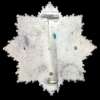
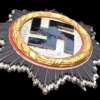

WWII German Cross in Gold (Deutsches Kreuz in Gold)
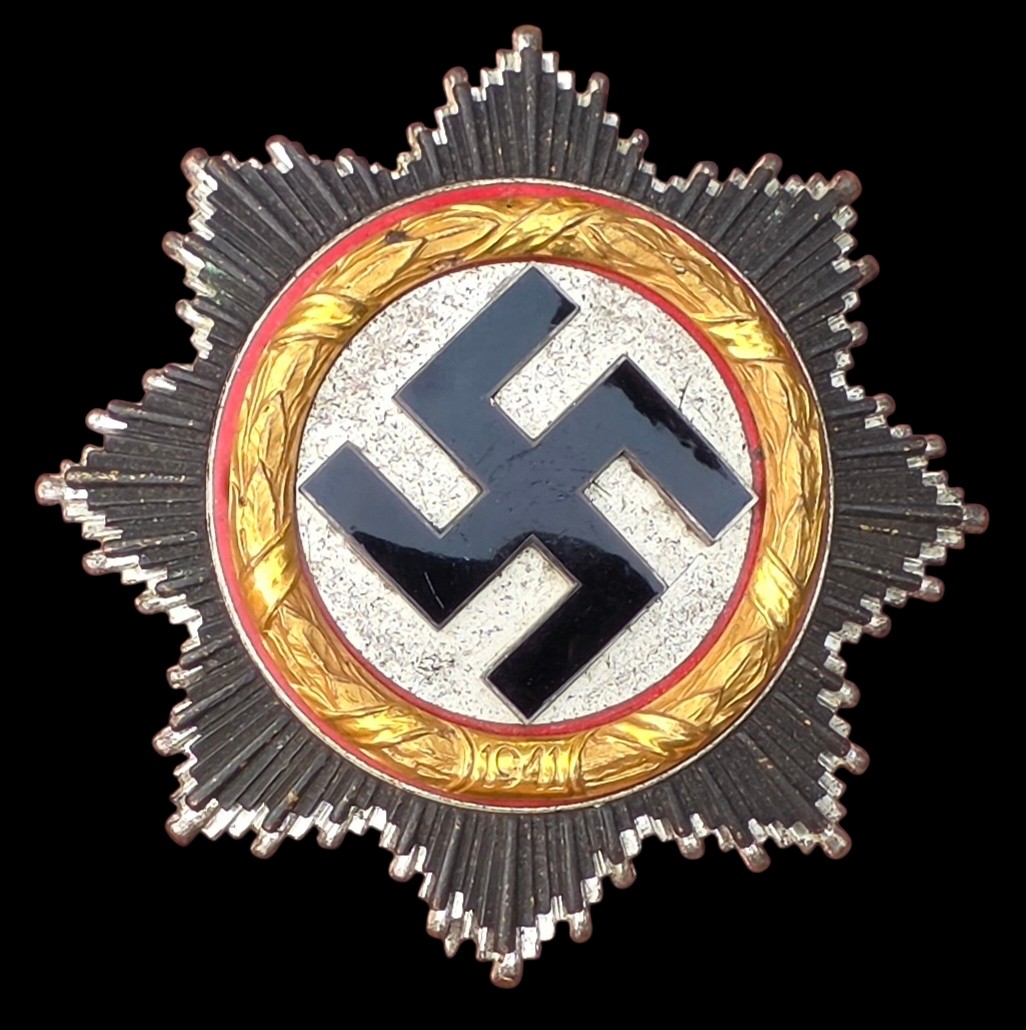
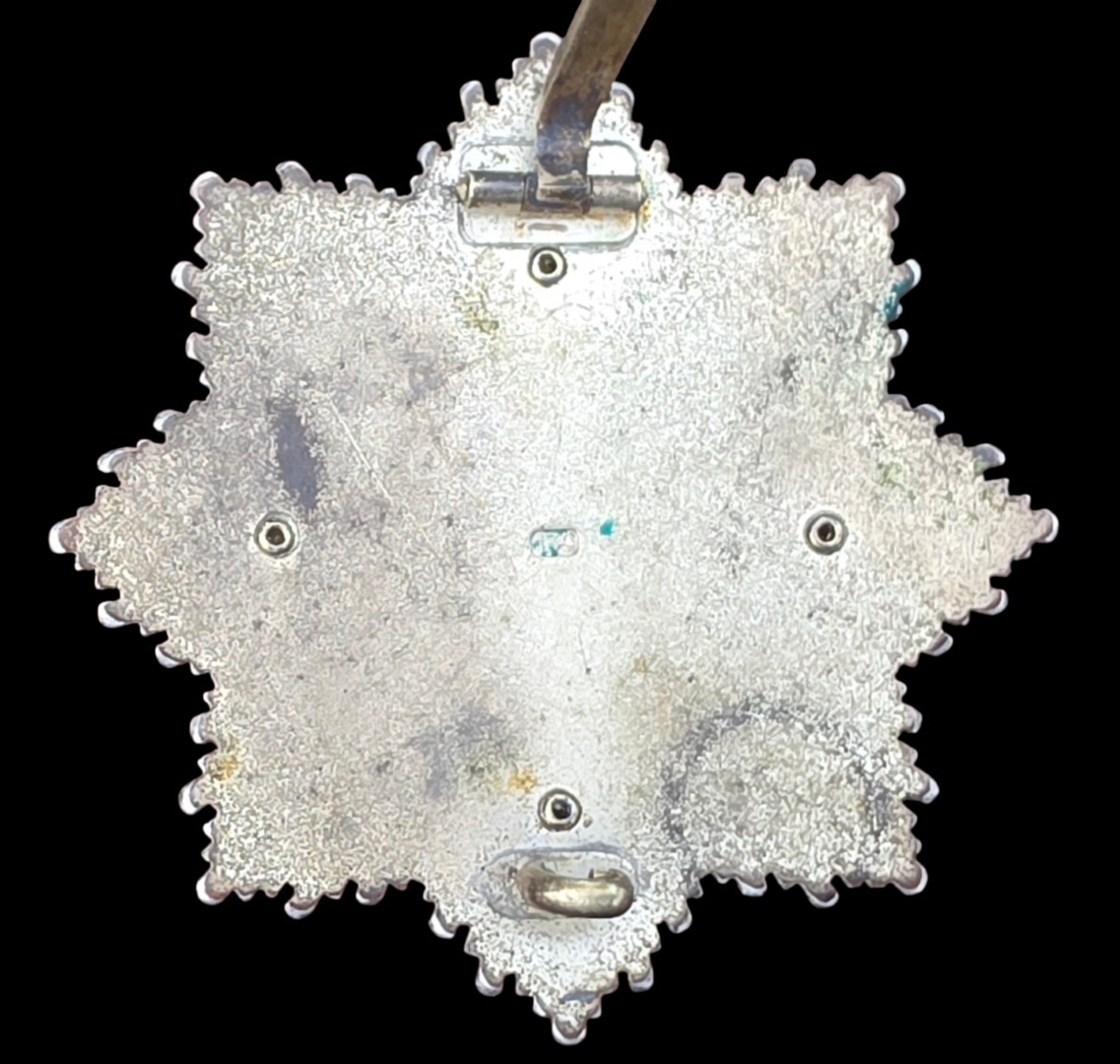
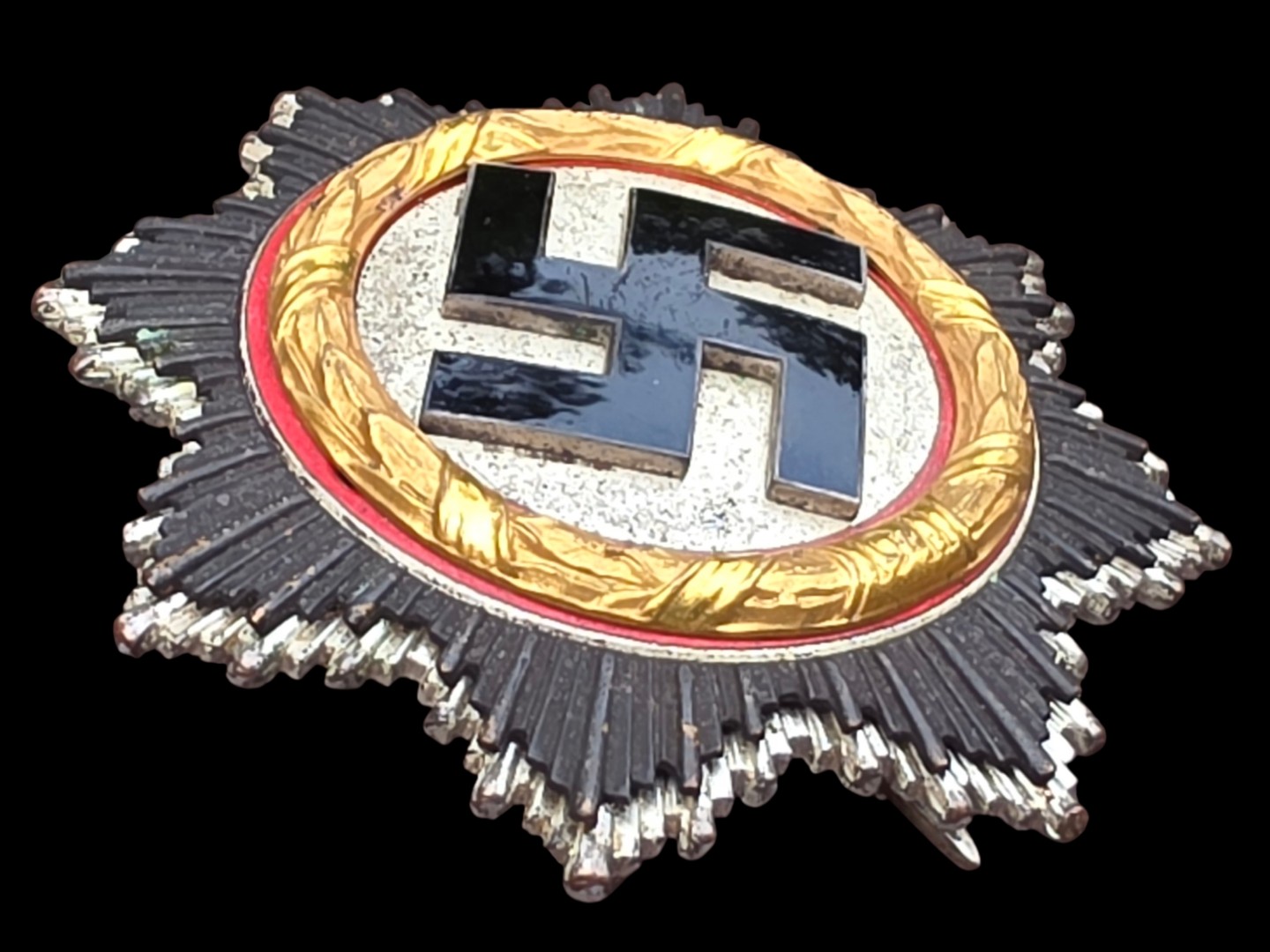
A very fine specimen of the German Cross in Gold hallmarked 134.
Ex: Ruptured Duck Collection
The German Cross in Gold (Deutsches Kreuz in Gold) was instituted by Adolf Hitler on 28 September 1941 to recognize repeated acts of bravery or military leadership in combat, ranking above the Iron Cross First Class but below the Knight’s Cross of the Iron Cross. It was awarded primarily to military personnel, including members of the Wehrmacht, Waffen-SS, Kriegsmarine, and Luftwaffe, as well as certain uniformed formations like police and railway workers. Civilians were generally not eligible
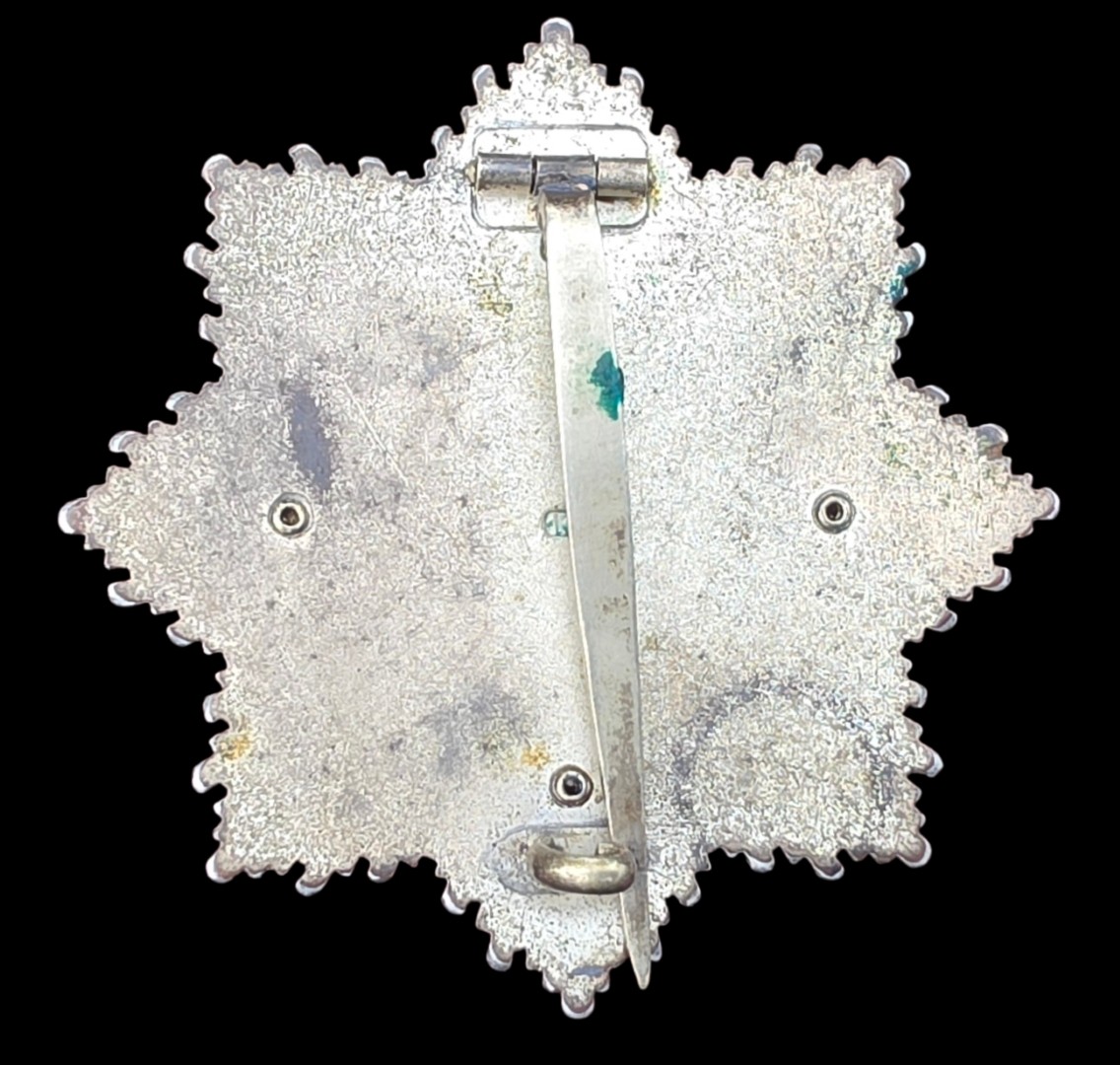
A WWII German Cross in Gold maker‑marked 134, an authentic piece manufactured by Otto Klein of Hanau, one of the officially contracted wartime producers. The maker code “134” appears stamped on the reverse backing plate.
- Maker code 134 — Assigned to Otto Klein, Hanau, a recognized manufacturer of high‑quality German Crosses.
- Klein produced lightweight versions, typically with:
- Four hollow rivets on the reverse
- Cupal or tombak construction
- Gilded wreath and enameled swastika
- 63 mm diameter and weights around 44–45 g depending on variant
- Four hollow rivets — A textbook Otto Klein trait.
- Cupal base + aluminum core — Seen on verified examples.
- Gilded tombak wreath — Often shows mild patina.
- Maker mark “134” — Stamped on the reverse plate.
- High‑quality enamel — Klein pieces often have glossy, intact enamel.
- The German Cross in Gold (instituted 28 September 1941) was awarded for repeated acts of bravery or exceptional combat leadership, ranking between the Iron Cross 1st Class and the Knight’s Cross. Approximately 26,000 were awarded.


Description
The German Cross in Gold (Deutsches Kreuz in Gold) was instituted by Adolf Hitler on 28 September 1941 to recognize repeated acts of bravery or military leadership in combat, ranking above the Iron Cross First Class but below the Knight’s Cross of the Iron Cross. It was awarded primarily to military personnel, including members of the Wehrmacht, Waffen-SS, Kriegsmarine, and Luftwaffe, as well as certain uniformed formations like police and railway workers. Civilians were generally not eligible
A WWII German Cross in Gold maker‑marked 134, an authentic piece manufactured by Otto Klein of Hanau, one of the officially contracted wartime producers. The maker code “134” appears stamped on the reverse backing plate.
- Maker code 134 — Assigned to Otto Klein, Hanau, a recognized manufacturer of high‑quality German Crosses.
- Klein produced lightweight versions, typically with:
- Four hollow rivets on the reverse
- Cupal or tombak construction
- Gilded wreath and enameled swastika
- 63 mm diameter and weights around 44–45 g depending on variant
- Four hollow rivets — A textbook Otto Klein trait.
- Cupal base + aluminum core — Seen on verified examples.
- Gilded tombak wreath — Often shows mild patina.
- Maker mark “134” — Stamped on the reverse plate.
- High‑quality enamel — Klein pieces often have glossy, intact enamel.
- The German Cross in Gold (instituted 28 September 1941) was awarded for repeated acts of bravery or exceptional combat leadership, ranking between the Iron Cross 1st Class and the Knight’s Cross. Approximately 26,000 were awarded.